
BWF boss wants to cut badminton scoring system to 15 points
The proposal to reduce the scoring from 21 to 15 points per game is not a sudden development. It was formally approved by the BWF Council on November 9, 2024, following years of internal discussions.
Under this proposed system, matches would remain a best-of-three format, but each game would end at 15 points. The primary reason for this shift is to create a more "television-friendly" product. By shortening the duration of matches, which currently can last anywhere from 30 to over 90 minutes, the BWF hopes to attract a wider audience while simultaneously reducing the immense physical burden on athletes who often face grueling schedules.
Throughout the past year, the federation has actively tested this system across various international platforms. Starting in April 2025, the 15-point format was trialed at continental championships, national events, and Level 3 tournaments, including the International Challenge and Future Series. These trials provided crucial data on how the change affects game flow and player stamina.
Thomas Lund has been vocal about this ambition, stating, "The 15-point system was designed to align with modern competition trends, aiming to enhance the excitement of the game and ensure that the match enters a crucial confrontation from the very beginning."

He emphasized that the goal is to create an environment that allows top stars to enjoy longer careers by minimizing injury risks associated with extreme fatigue.
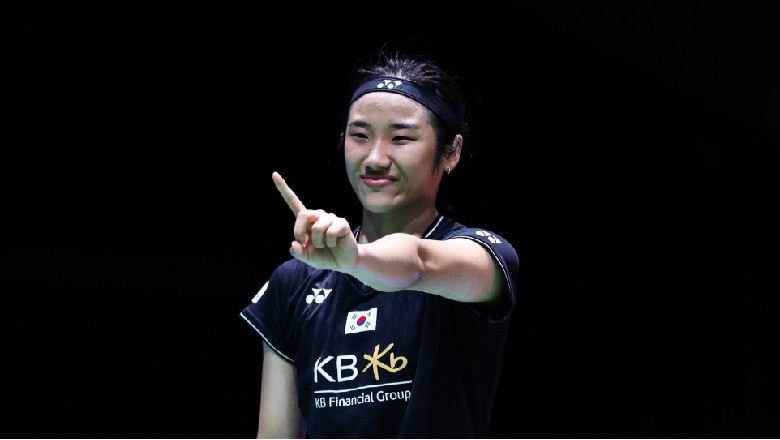
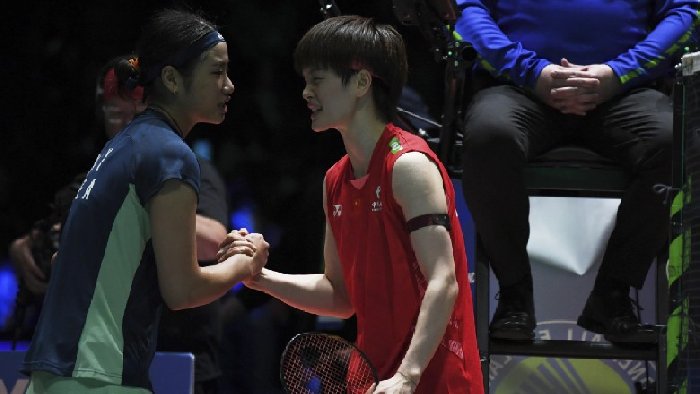
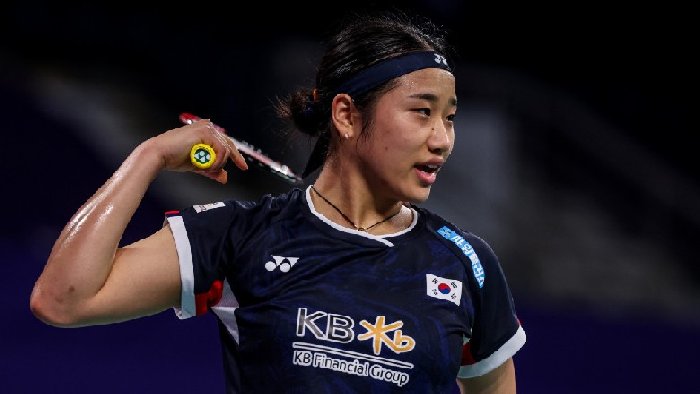
This vision has garnered significant support from high-profile athletes. World No. 1 An Se-young, Olympic bronze medalists Arisa Igarashi and Yuta Watanabe have all reacted positively.
An Se-young noted, "The reduction in points and the relative decrease in physical burden are a good thing." Meanwhile, Igarashi highlighted the practicality for fans and players, mentioning her experience of playing matches as late as 2 a.m. under the current rules.
The BWF appears to be drawing inspiration from other major sports that have successfully implemented "speed-up" rules, such as Major League Baseball’s pitch clock. However, some players remain concerned that the shift will force a permanent change in their signature playing styles.
Igarashi also expressed a cautious outlook, fearing that the new system heavily favors aggressive, offensive players.
"I used to think I could beat Chinese pairs if we took them to the last game, but now I see them attacking throughout. Offensive players will be the beneficiaries," she remarked.
If this proposal is officially ratified at the BWF Annual General Meeting in April 2026, it will mark the first major change to badminton scoring in exactly 20 years, since the introduction of the rally point system in 2006.
Badminton’s history is one of constant evolution. Originally developed in the 19th century by British officers in India, the first formal scoring system in 1873 also used 15 points, though only the server could score.
Since becoming an official Olympic sport in 1992, badminton has seen power shifts from Denmark to Asian giants like China, Indonesia, Malaysia, Japan and Thailand.
The Most Popular
-
 Chinese media downplay Chen Yufei’s Indonesia Masters title, hint at 'fear' of An Se-young
 -
 Indonesia Masters: Chen Yufei wins first title of 2026; Alwi Farhan stays king at home
 -
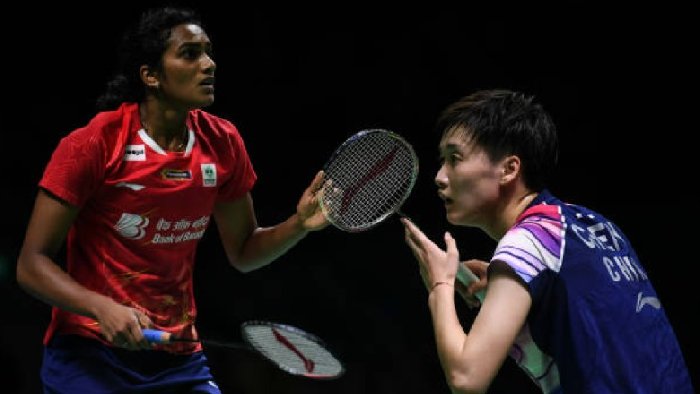 Indonesia Masters 2026: Sindhu and Chen Yufei set for quarter-final showdown
 -
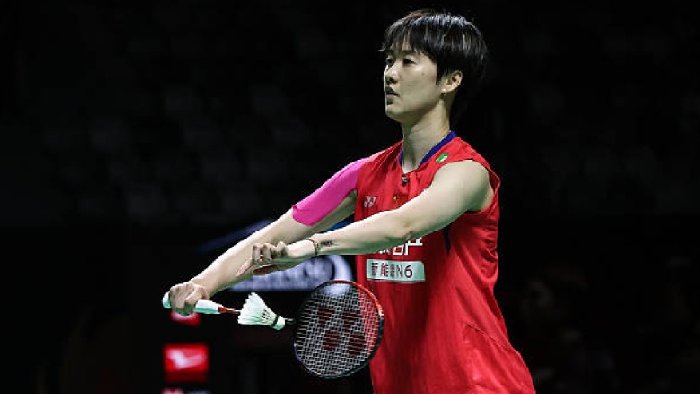 Indonesia Masters 2026: Chen Yufei and PV Sindhu show their class to reach next round
 -
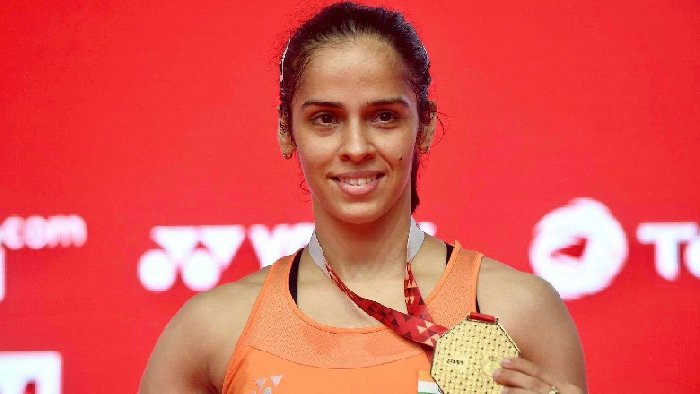 OFFICIAL: Former world No.1 Saina Nehwal announces retirement following 2 years sidelined by injury
 -
 Chinese media stunned as An Se-young ‘destroys’ Wang Zhiyi for second time in a week
 -
 India Open 2026: An Se-young to face Wang Zhiyi in two finals in just one week
 -
 India Open 2026: An Se-young, Wang Zhiyi march on while Vitidsarn exits after shock quarter-final loss
 -
 India Open 2026: An Se-young, Wang Zhiyi power into quarter-finals
 -
 An Se-young and Kunlavut Vitidsarn show contrasting form to reach next round at India Open 2026